
Iran Announces Alternate Routes For Ships Passing Hormuz, Flags Sea Mines Risk; Strait Status Unclear
The new maps direct shipping traffic through designated routes in the critical shipping lane, through which a fifth of the world's oil supply flows.
- World News
- 5 min read

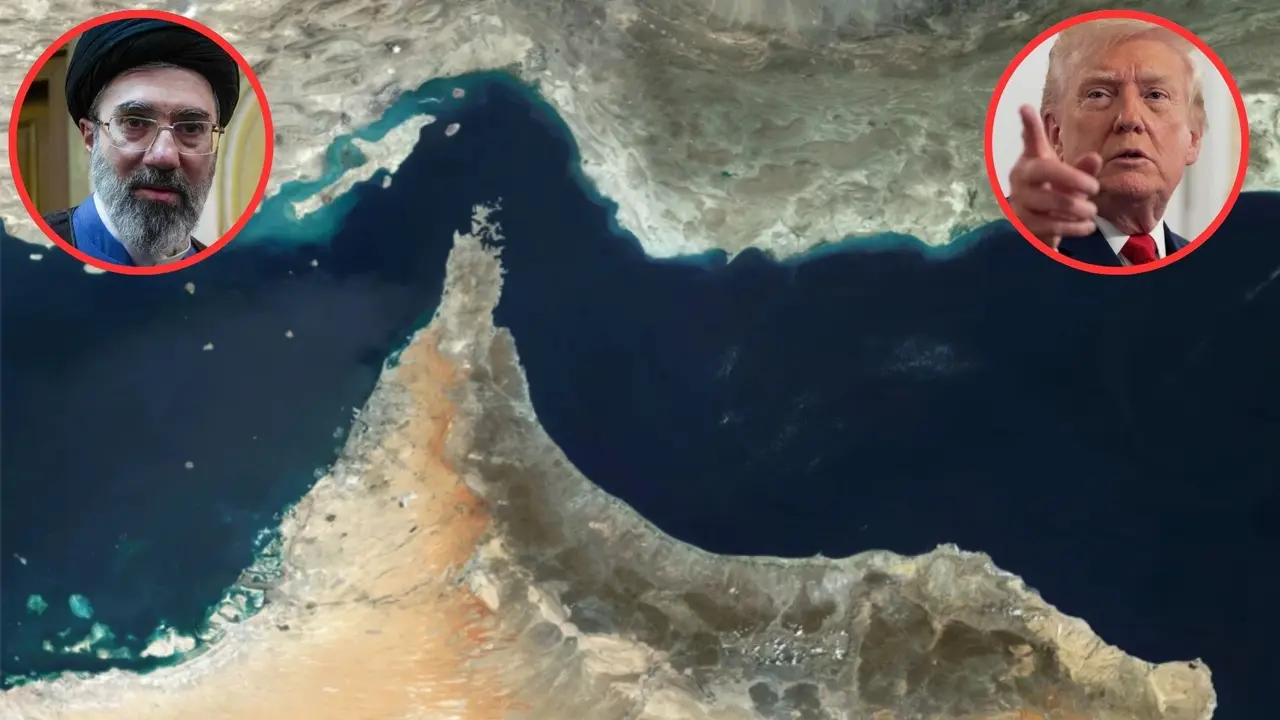
New Delhi: Iran has announced secondary maritime paths for ships transiting the Strait of Hormuz with the aim of helping ships avoid sea mine threats, as per reports.
The new maps direct shipping traffic through designated routes in the critical shipping lane, through which a fifth of the world's oil supply flows.
Is Hormuz Open?
However, the status of the Strait of Hormuz remains uncertain following reports that Iran blocked the vital shipping route last night. Tehran reportedly took this action in response to Israeli strikes in Lebanon, which Iranian officials argue constitute a breach of their recent ceasefire agreement with the United States.
According to the deal announced early Wednesday, the US and Israel committed to halt all military offensives against Iran. In exchange, Tehran agreed to keep the Strait of Hormuz open for international shipping. Notably, this two-week truce was intended to create a diplomatic window for negotiators to pursue a more permanent peace agreement for the region.
Advertisement
What IRGC said
Iran’s Revolutionary Guards said in a statement, "All ships intending to transit the Strait of Hormuz are hereby notified that in order to comply with the principles of maritime safety and to be protected from possible collisions with sea mines, they should take alternative routes for traffic in the Strait of Hormuz," as per reports.
The announcement outlines revised navigational routes intended to mitigate risks for merchant vessels transiting the strait, a maritime artery that facilitates the movement of approximately 20% of global oil volumes.
Advertisement
According to Iranian state media, the IRGC Navy has also advised vessels to maintain strict coordination with its units during their transit through the strait.
To minimise exposure to hazardous zones, the suggested navigation paths involve entering from the Sea of Oman and heading north of Larak Island into the Gulf, while exiting ships are directed to pass south of the island before returning to the Sea of Oman.
Why was Hormuz closed?
Iran had effectively closed the Strait of Hormuz following joint military strikes by the United States and Israel on February 28 which targeted Iranian leadership and military infrastructure.
In the following weeks, Tehran utilized naval mines, drone attacks, and electronic jamming to halt maritime traffic in retaliation for the conflict and continued Israeli strikes on Hezbollah in Lebanon.
Ceasefire under strain?
The fragile two-week ceasefire between the United States and Iran is currently teetering on the brink of collapse as regional violence escalates.
Although the truce was intended to provide a diplomatic window, it has been severely undermined by a massive Israeli bombardment of Lebanon that killed at least 250 people on Wednesday, marking one of the deadliest days in the conflict.
While Tehran insists that the cessation of hostilities in Lebanon was a prerequisite for the deal, both President Trump and Prime Minister Netanyahu have explicitly stated that the agreement does not cover operations against Hezbollah.
In a direct retaliatory move, Iran briefly re-shuttered the Strait of Hormuz before announcing restricted alternative navigation routes, a maneuver the White House has condemned as "completely unacceptable."
Why Hormuz is vital?
The Strait of Hormuz stands as the world’s most critical maritime chokepoint, serving as the indispensable jugular of the global energy trade.
Connecting the Persian Gulf to the Gulf of Oman and the Arabian Sea, this narrow waterway facilitates the transit of approximately 21 million barrels of oil per day, representing nearly one-fifth of the world’s total petroleum consumption.
Beyond crude oil, the passage is a vital corridor for nearly 25% of global Liquefied Natural Gas (LNG) exports, primarily from Qatar, making it a cornerstone of energy security for major economies in Asia and Europe.
Geopolitically, the strait’s narrow geography, featuring shipping lanes only two miles wide, grants Iran significant strategic leverage over the global economy.
For resource-dependent nations like China, India, and Japan, which receive over 85% of the strait's oil flow, any sustained disruption threatens to trigger a massive inflationary shock and a potential global recession.
Because regional powers like Iraq, Kuwait, and Bahrain lack alternative maritime outlets, the Strait of Hormuz remains a high-stakes "veto point" where local military tensions can instantaneously escalate into a worldwide economic crisis.